


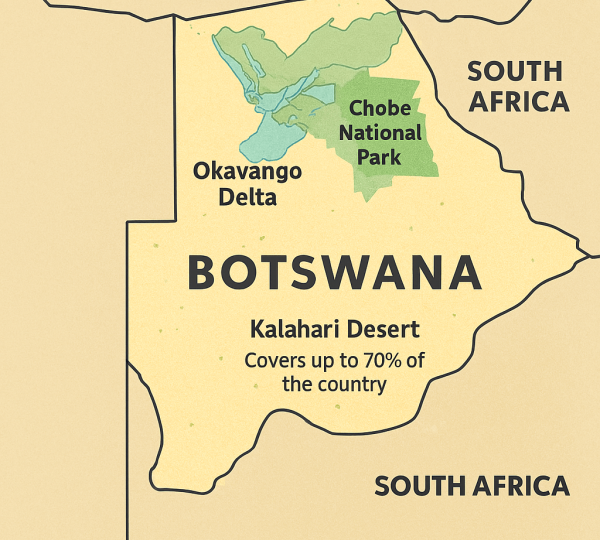
- Borders: Namibia (west), Zimbabwe (northeast), Zambia (north), South Africa (south and southeast)
- Notable Features:
- Kalahari Desert: Covers up to 70% of the country
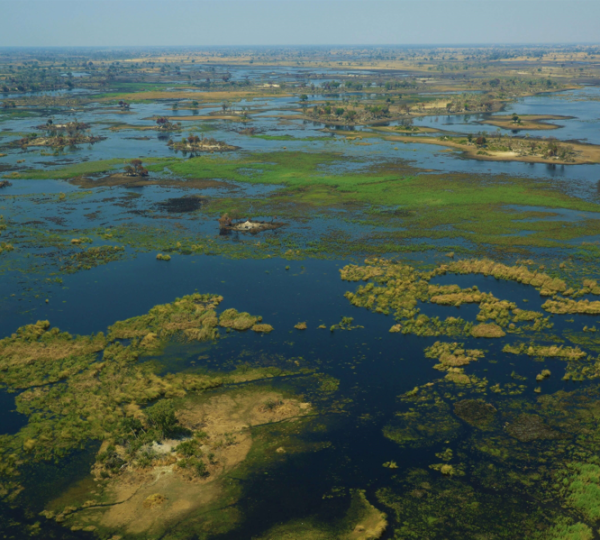
- Okavango Delta: One of the world’s largest inland deltas and a UNESCO World Heritage Site
- Chobe National Park: Famous for its large elephant population.
- Key Industries:
- Mining (especially diamonds)
- Tourism (eco-tourism and safaris)
- Cattle ranching and agriculture
- Economic Strength: One of Africa’s most stable and fastest-growing economies since independence
- Botswana is a top destination for wildlife tourism, known for:
- Low-impact, high-value tourism model
- Home to “Big Five” animals: lion, leopard, elephant, buffalo, rhino
- Exclusive lodges and safaris in the Okavango Delta and Chobe
- Ethnic Groups: Predominantly Tswana, with minorities including Kalanga, San (Basarwa), and others
- Traditional Music & Dance: Integral to community events and storytelling
- Social Values: Strong emphasis on peace, democracy, and the principle of Botho (respect, compassion, and humanity)
- Botswana has had free and fair elections since independence.
- It has one of Africa’s lowest levels of corruption.
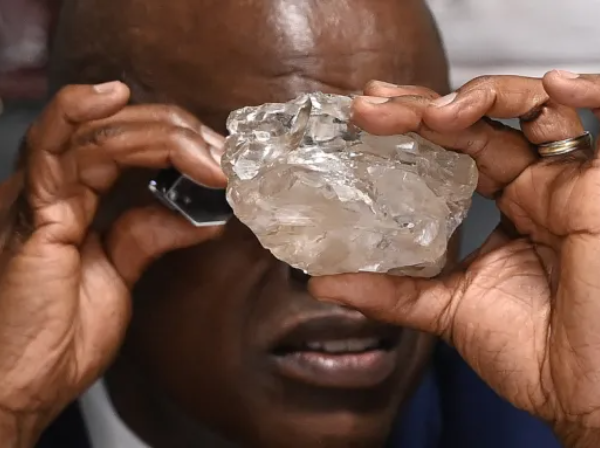
- It’s one of the world’s top diamond producers (by value).
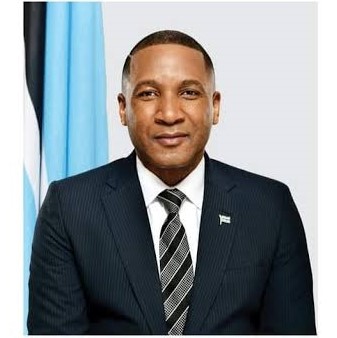
Term: 1 April 2018 – 1 Nov. 2024
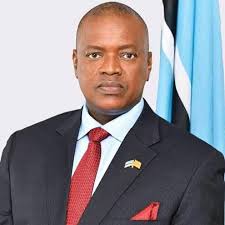
Term: 1 April 2018 – 1 Nov. 2024
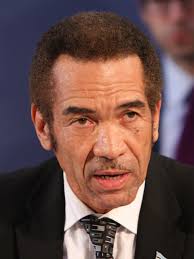
Term: 1 April 2008 – 1 April 2018
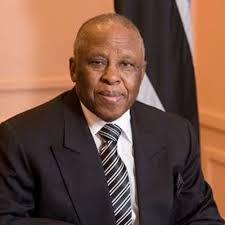
Term: 1 April 1998 – 1 April 2008
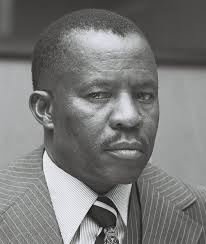
Term: 18 July 1980 – 31 March 1998
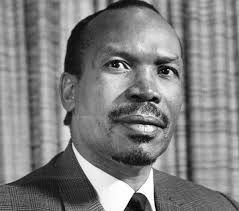
Term:30 September 1966 – 13 July 1980
Founding President
- 1885: To protect local Tswana leaders from Boer expansion and German South-West Africa (Namibia), Britain declared the area a British Protectorate, known as Bechuanaland.
- Unlike other African colonies, Bechuanaland was not heavily exploited or settled by Europeans. It was mostly ruled through indirect rule, allowing local chiefs to retain authority under British oversight.
- The capital was set up in Mafikeng (now in South Africa) until independence.
- Ancient Inhabitants: The earliest known people in Botswana were the San (Basarwa or Bushmen), a hunter-gatherer society known for their rock art and deep knowledge of the land.
- Bantu Migration: Around 500–1000 AD, Bantu-speaking groups, particularly the Tswana, migrated into the region. They introduced ironworking, cattle herding, and settled agriculture.
- Over time, various Tswana chiefdoms emerged, such as the Bangwato, Bakwena, and Bamangwato, which became powerful in the region.
- 1800s: European missionaries and traders began arriving. One notable figure was David Livingstone, a Scottish missionary-explorer who worked in the region in the mid-19th century.
- As European influence grew, internal conflicts and external threats—especially from Boer settlers and Ndebele raiders—caused political tension.
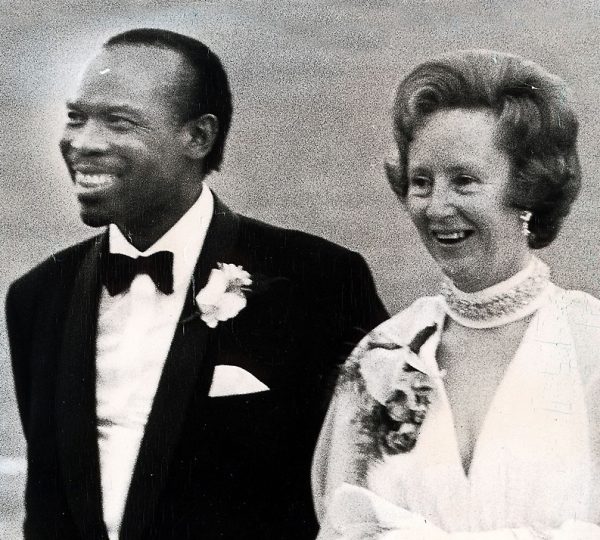
- Seretse Khama, heir to the Bamangwato chieftaincy, married a white British woman, Ruth Williams, in 1948. This caused a scandal both in the UK and Southern Africa, leading to his exile.
- Over time, Seretse Khama became a symbol of resistance and a leader in the movement for independence.
- In 1962, he founded the Botswana Democratic Party (BDP).
- 1966: Botswana gained full independence from Britain on September 30, 1966, with Seretse Khama as its former President.
- At independence, Botswana was one of the poorest countries in Africa, with few paved roads and little infrastructure.
- However, after the discovery of diamonds in 1967, Botswana rapidly grew its economy.
- Botswana became a model of democracy, anti-corruption, and good governance in Africa.
- Seretse Khama was succeeded by other leaders from the BDP, including:
- Quett Masire
- Festus Mogae
- Ian Khama (Seretse’s son)
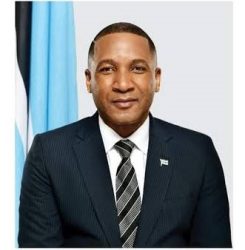
- Former President H.E. Dr. Mokgweetsi Eric Keabetswe Masis
Year | Event |
Prehistory | San people inhabit the region |
~1000 AD | Bantu (Tswana) migration and settlements |
1885 | Declared British Protectorate (Bechuanaland) |
1966 | Independence from Britain |
1967 | Diamond discoveries fuel economic growth |
1980s–2020s | Political stability, democratic elections, economic development |
- UNESCO World Heritage Site
- One of the world’s largest inland deltas — a lush oasis in the Kalahari Desert
- Unique wetland ecosystem: seasonal floods attract massive wildlife
- Best for: Canoe safaris, luxury lodges, birdwatching, elephants, big cats, hippos, rare antelope like sitatunga
- Safari activities: Mokoro rides (dugout canoe), walking safaris, game drives
The Okavango Delta
- Located in the north, near the borders with Zimbabwe and Zambia
- Famous for its huge elephant herds (estimated over 120,000 elephants)
- Also home to lions, buffalo, giraffes, leopards, crocodiles, hippos
- Chobe Riverfront is ideal for boat safaris
One of the most accessible parks (near Kasane and Victoria Falls)
Chobe National Park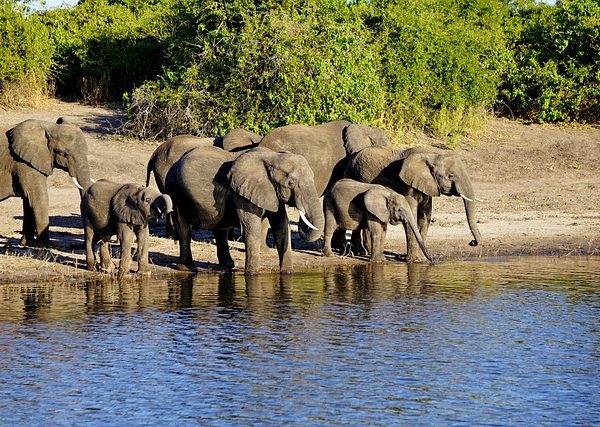
- Located in the eastern Okavango Delta
- A mosaic of habitats: forests, lagoons, floodplains, and savannah
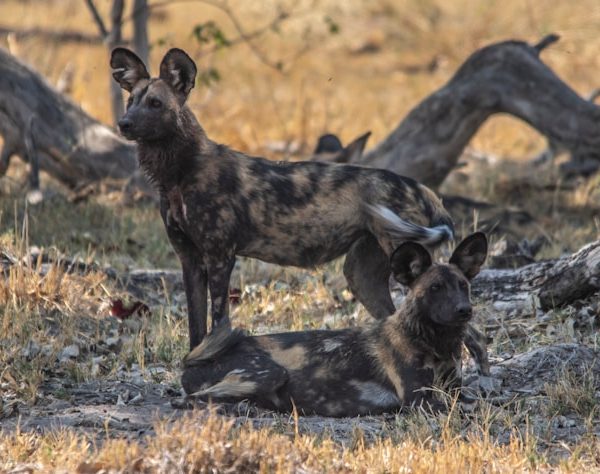
- Big 5 game viewing, particularly strong for leopards, wild dogs, and birds
- High-end lodges and mobile camping options
Moremi Game Reserve
- One of the largest game reserves in the world (over 52,000 km²)
- Remote and wild — few tourists, pristine wilderness
- Home to black-maned Kalahari lions, oryx, springbok, brown hyenas
- Excellent for stargazing, cultural experiences with San/Basarwa guides
Central Kalahari Game Reserve (CKGR)
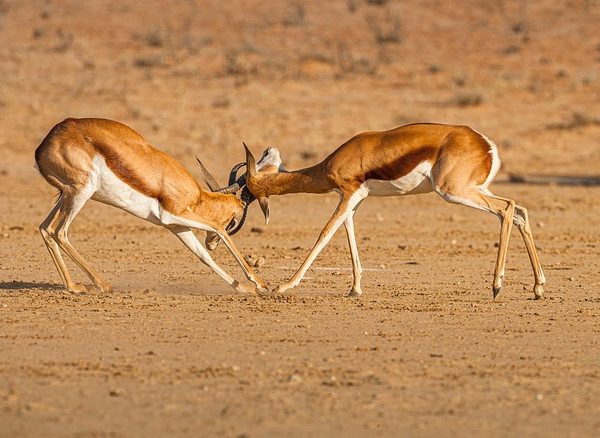
- Ancient salt pans — once a giant lake
- Seasonal flooding attracts massive herds of zebra and wildebeest (Botswana’s version of a migration)
- Flamingos breed in the wet season
- Dry season offers surreal, moonlike landscapes
Makgadikgadi Pans National Park
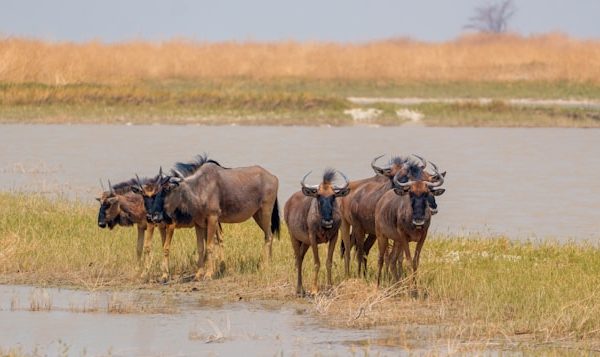
- Adjacent to Makgadikgadi
- Famous for the Baines’ Baobabs — ancient trees painted by explorer Thomas Baines
- Excellent game viewing during wet season: lions, elephants, cheetahs, antelope
Nxai Pan National Park
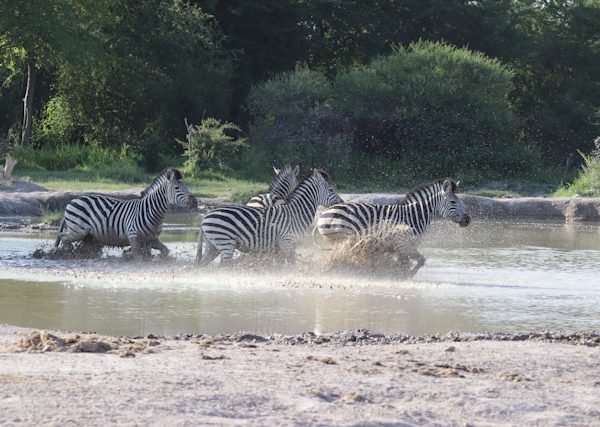
Place Why Visit Khutse Game Reserve Quieter alternative to CKGR; self-drive safaris Mokolodi Nature Reserve Near Gaborone; day safaris, rhino tracking Tsodilo Hills UNESCO site with rock art over 20,000 years old Shakawe Remote town in the northwest; near Tsodilo Hills and the Panhandle of the Okavango
- Type: Market economy with a strong public sector
- Currency: Botswana Pula (BWP)
- GDP per capita: ~$7,500 USD (2025 estimate) — one of the highest in Sub-Saharan Africa
- Key Sectors:
- Mining (especially diamonds)
- Tourism
- Agriculture (limited by arid land)
- Services (banking, retail, government)
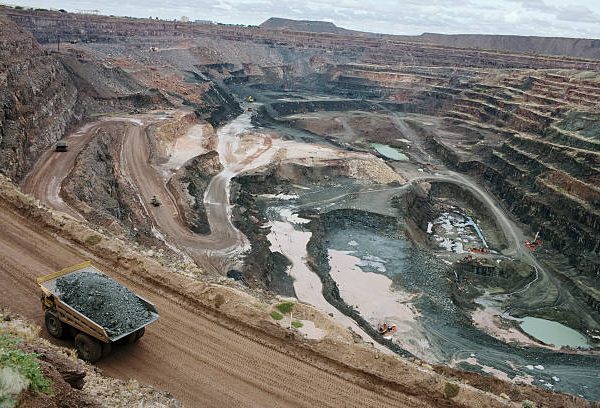
Botswana: One of the world’s top diamond producers
- Contributes ~80–90% of export earnings
- Roughly one-third of GDP
- Major partner: De Beers, through a joint venture called Debswana (De Beers + Botswana government)
Debswana (Botswana + De Beers)
- Formed in 1969 after independence
- 50/50 ownership between De Beers and the Government of Botswana
- Manages major diamond mines:
- Jwaneng Mine – the richest diamond mine in the world by value
- Orapa Mine – the largest by area
- Letlhakane and Damtshaa – smaller operations
Diamond Cutting & Sales
- In recent years, Botswana moved from just mining to cutting, sorting, and selling diamonds locally
- Diamond Trading Company Botswana (DTCB) sorts and values all rough diamonds
- Okavango Diamond Company (ODC) sells diamonds independently on behalf of the government
Resource | Details |
Coal | Large untapped reserves (Morupule mine), future potential for power generation/export |
Copper-Nickel | Some production (e.g., Selibe Phikwe, now scaled down) |
Soda Ash & Salt | Mined in Makgadikgadi region (Botash mine) |
Wildlife & Ecosystems | Eco-tourism is a renewable “natural resource” |
Water | Very scarce — a critical issue for future development |