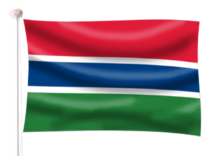

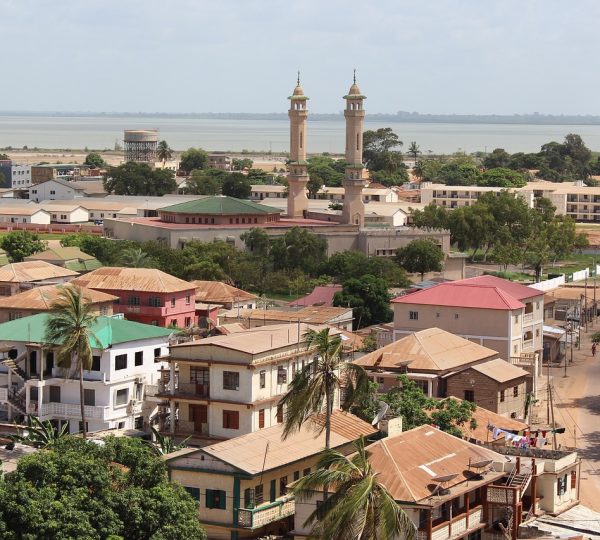
An Overview on The Gambia.
The Gambia is a peaceful West African nation known for its strategic location, political stability, and strong people-to-people relations. As Africa’s smallest mainland country, The Gambia plays an important diplomatic, economic, and cultural role in the region. This country profile is presented to support diplomatic engagement, trade facilitation, cultural exchange, and consular services under the Office of the Honorary Consul of The Gambia in Uganda.
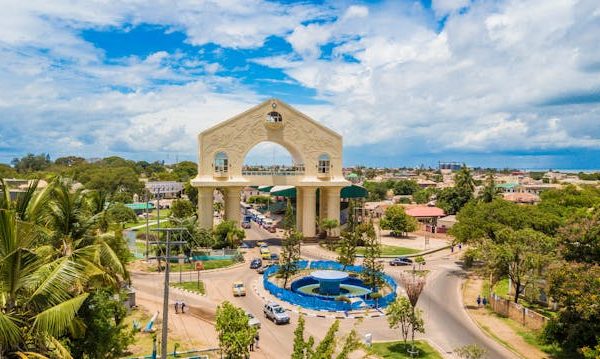 The Geography & Location Of The Gambia
The Gambia is located in West Africa and is bordered by Senegal on three sides, with access to the Atlantic Ocean on its western coast. The country follows the course of the Gambia River, which runs through the entire nation and serves as a major transportation, agricultural, and economic corridor. The terrain is largely flat and low-lying, with fertile floodplains and mangrove ecosystems that support farming and fishing activities.
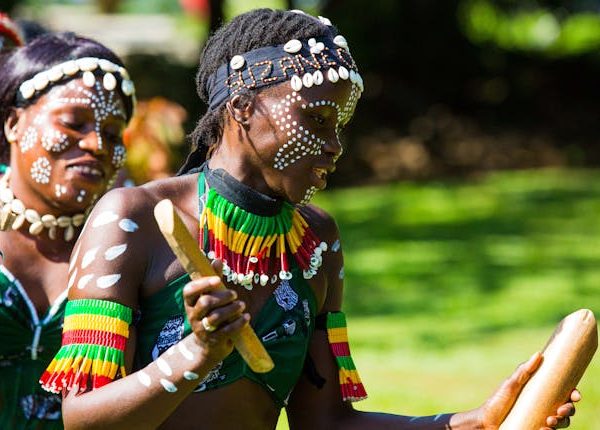 Economy & Trade in The Gambia
The Gambian economy is service-oriented and open, with key sectors including agriculture, tourism, fisheries, trade, and remittances from the diaspora. Groundnuts (peanuts) remain a major agricultural export, alongside rice, horticultural produce, and seafood products. Tourism is a leading source of foreign exchange, driven by beach tourism, eco-tourism, and cultural heritage.
The Gambia offers opportunities for bilateral trade, investment partnerships, tourism development, agribusiness collaboration, and SME growth, particularly within the ECOWAS regional market.
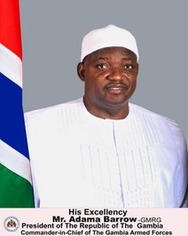
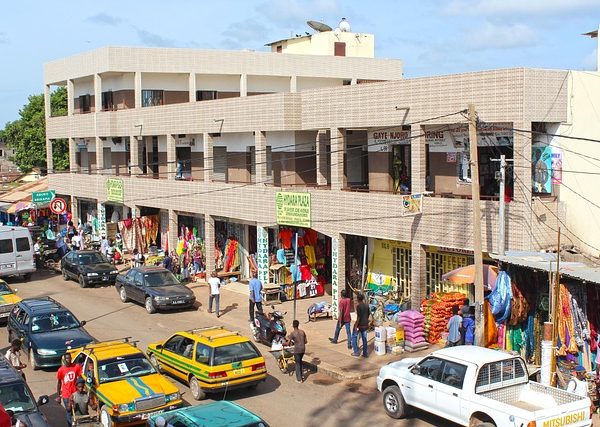 The Gambia operates under a presidential republic system. The President serves as both Head of State and Government and is elected by popular vote. Legislative authority is vested in a unicameral National Assembly, while the judiciary functions independently.
Since the democratic transition in 2017, The Gambia has made notable progress in strengthening democratic institutions, the rule of law, media freedom, and civil society participation. The country is committed to constitutional reform, transparency, and good governance.
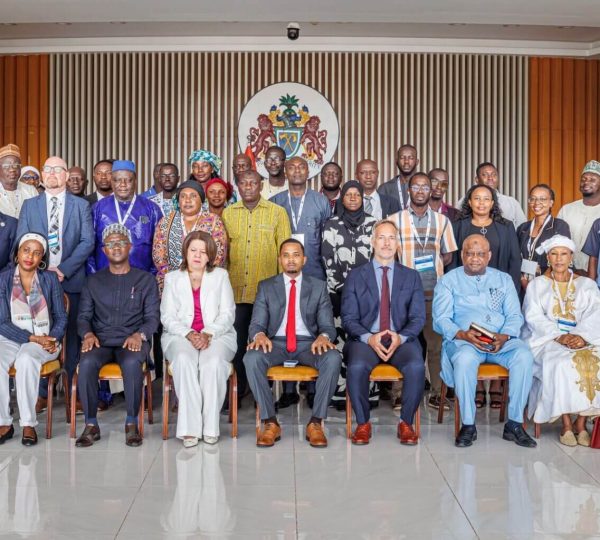
The Gambia is an active member of the Economic Community of West African States (ECOWAS), the African Union (AU), the United Nations (UN), and the Commonwealth. It maintains positive diplomatic relations globally and actively participates in peacekeeping, mediation, and regional cooperation initiatives.
The Major Cities & Infrastructure
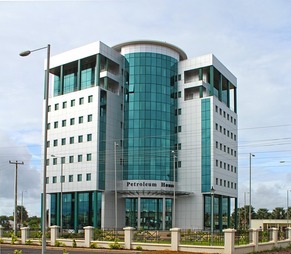
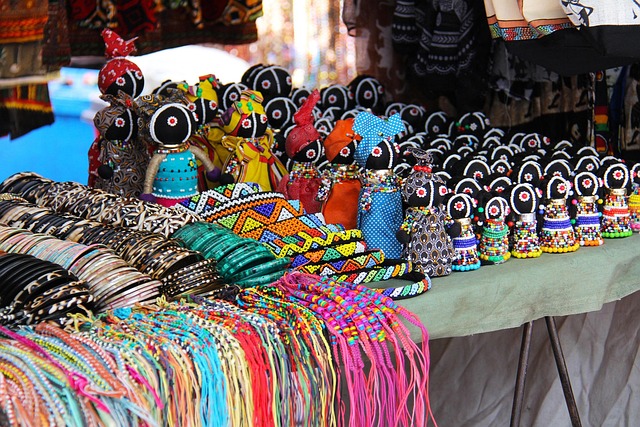
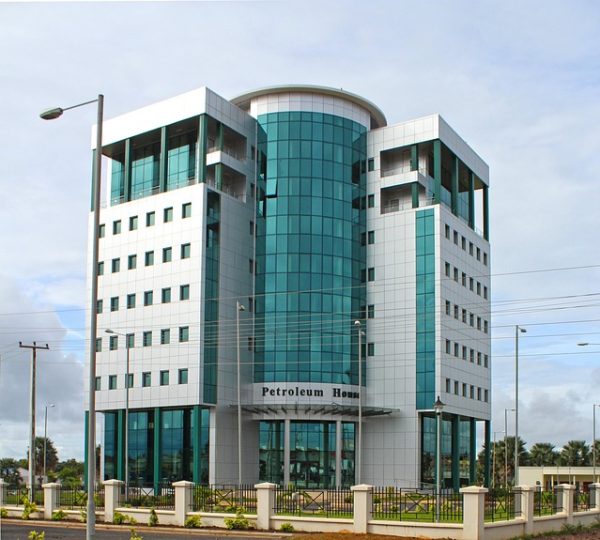
Banjul is the capital city and administrative center, hosting key government institutions and diplomatic missions. Serrekunda is the largest urban and commercial hub, while Brikama is known for cultural industries such as wood carving and music. Banjul International Airport serves as the primary international gateway.
Education & Human Capital
The Gambia has an English-based education system and a young, growing population. The country continues to invest in education, skills development, and youth empowerment as part of its long-term development strategy.
 Why The Gambia Matters to Uganda.
The Gambia and Uganda share common values of peace, regional cooperation, and Pan-African solidarity. Opportunities exist for collaboration in trade, tourism, education, investment promotion, and cultural exchange. The Office of the Honorary Consul plays a vital role in strengthening bilateral relations and supporting citizens, businesses, and institutions.